At first, the negotiation between the Greek government and its creditors was open, with the newly-appointed Minister of Finances Yanis Varoufakis declaring that Athens will not accept the terms of the “institutions” and spoke of a “creatively vague” plan, leading up to the 20 February agreement.
Following explosive Eurogroup and Euro Working Group sessions, both sides were unable to converge on the major issues, with the risk of an impasse increasing, until the Greek government changed its tactics, following the Tsipras-Merkel meeting in Berlin, in early March. The PM appointed various associates in the negotiation teams, who answered directly to him, such as State Minister Nikos Pappas and SOE president Giorgos Houliarakis.
The role of Mr. Varoufakis was gradually reduced, with the open negotiation giving way to a “secret diplomacy”, even though he evidence and fiscal data do not favor it – there is the infamous “Hardouvelis email” of creditor demands, quantifiable deviations from the targets, a shortfall in VAT revenue, a lack of liquidity, a crisis in the pension system etc.
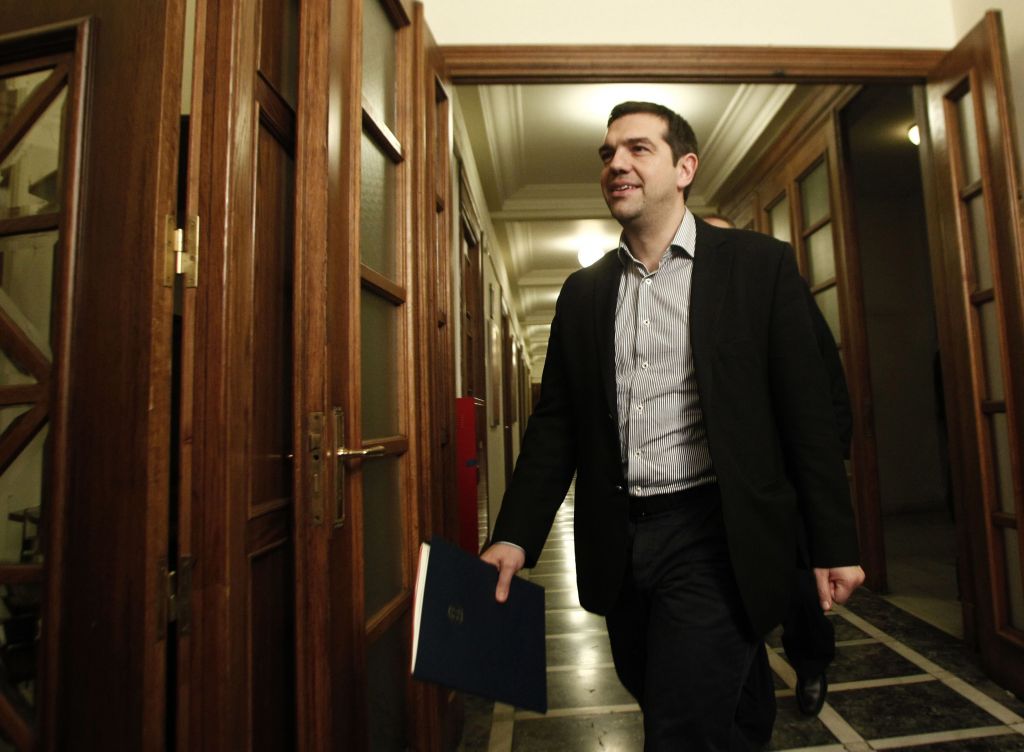
In public and behind the scenes the Prime Minister Alexis Tsipras gives the impression that an agreement is imminent, a mere matter of days, but he stresses that he will not back down from his “red lines”. In Brussels however the climate is very different; there might have been some progress, but the Greek government’s red lines are essentially blocking the agreement.
Despite this though, Mr. Tsipras addressed his party as if the agreement with the creditors is a given, while other party officers (such as the aforementioned Mr. Pappas) estimate that “the agreement is being written”. At the same time though, their tactics are increasing the tensions, suggesting that an agreement will be reached at the last moment, where the dilemmas will be dramatic.
Meanwhile, SYRIZA’s parliamentary group is kept in the dark. Based on the recent party meetings, it appears that the Prime Minister has made up his mind and will not enter any discussions with his party officers until the final draft of the agreement is penned. As it would seem, Mr. Tsipras has adopted a “take it or leave it” attitude towards his MPs (primarily) and the “pro Europe” parties (secondarily).