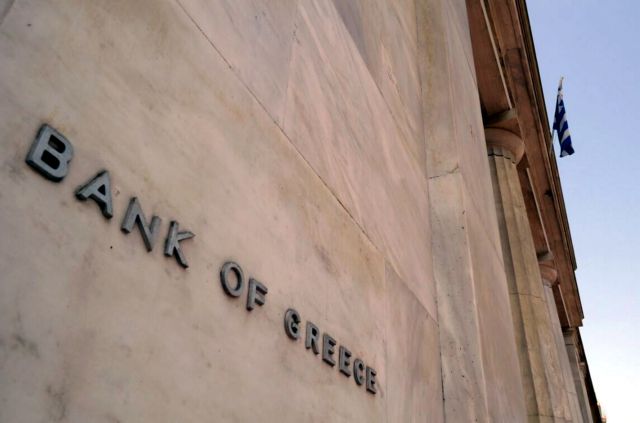
With the general elections only ten days away, the pressure on the economy is increasing and beginning to have a visible effect on public revenue.
Even though it was recently announced that the primary surplus for 2014 was estimated at 1.8 billion euros, it fell short of expectations. Additionally Greece has not collected about 1.8 billion euros from Europe due to the freezing of negotiations with the troika.
The Treasury bill sale on Wednesday also reflected the negative climate, where the interest rate of three-month bills was 2.15%, up by 25 basis points from the previous sale. The 812.5 million euros generated on Wednesday also fell short of the 1.3 billion euros from the last one.
The problem could become worse should Greece be unable to come an agreement with its European partners and creditors.
Yield of ten-year government bond retreats
The European Court’s announcement yesterday according to which the ECB’s Outright Monetary Transaction program is compatible with European legislation resulted in a reduction of the yield of Greek government bonds to 8.99%. The program will allow the European Central Bank to intervene in the secondary bond market within the Eurozone.
While the yield for Greek bonds fell below 9%, the cost of borrowing for other European countries reached record low. Germany, for example, issued a bond that matures in February 2025 with an average yield of 0.52%, down from the previous record low of 0.74%, according to the Bundesbank announcement.