These days a rather special, full of symbolism, political battle is being waged in urban transport.
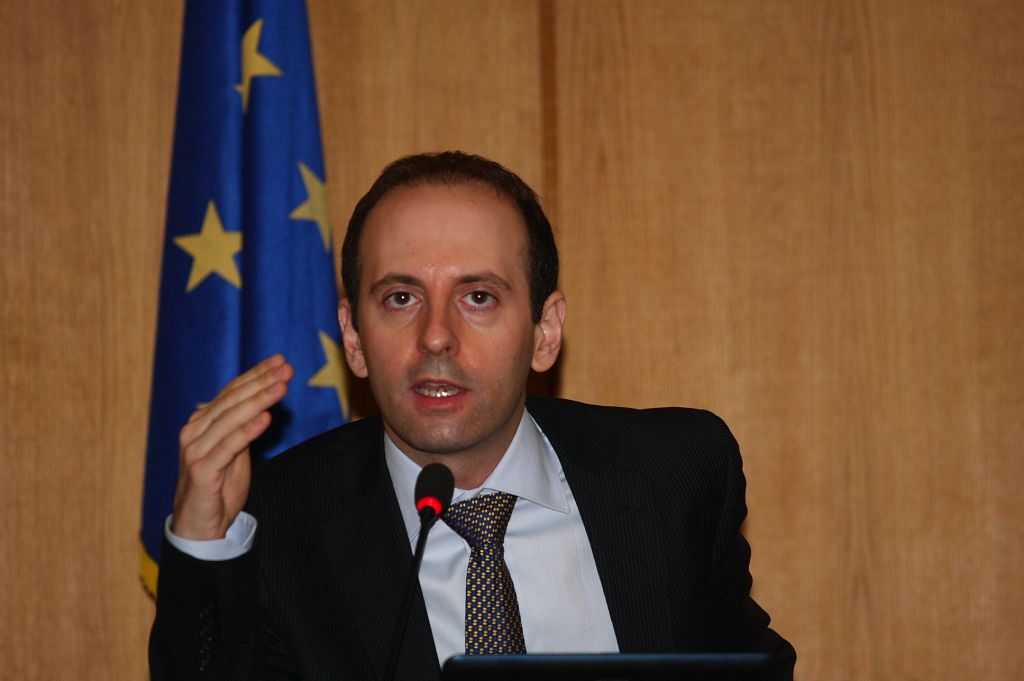
Over the past few years, OASA – the body which overlooks urban transport in Athens, including the subway – is being run by Grigoris Dimitriadis, a talented 37-year-old with a good education, international experience and a contemporary spirit of management,
He was appointed by Michalis Chrysochoidis, having previously demonstrated his skills in organizing an efficient system for monitoring and assisting Greek exports.
After taking over urban transport two years ago, he managed to restructure them, while reducing the cost of tickets without jeopardizing a single job. During his time in charge, urban transport became financially efficient and more reliable, they were open to the people, especially the younger generations and everyone foresaw better days.
Mr. Dimitriadis’ model is rather specific. Urban transport must be strictly organized and interlinked, they must be financially efficient and have the least possible burden on the stat budget, while obviously being able to respond to the ever-increasing transportation needs in the capital. This internally demands a coherent plan, organizational competence and dedicated people, capable of conceiving and planning an urban transport more, similar to those in other major European capitals.
After the elections in January, Mr. Dimitriadis’ model of urban transport conflicted with the model which the new Minister of Transport introduced. This new model of urban transport eschews tickets, to an extent, without any inspections for those who do not pay the ticket fare. The first clash of the two models came after the imposition of capital controls. The Transport Minister issued an order for free transportation which lasted two weeks. OASA lost about 10 million euros in revenue and a lot from the expectation of free transportation generated in the people. All efforts designed to tackle the non-payment of tickets were instantly wasted, with the cost now estimated to be about 50 million euros every year.
Various other clashes followed, leading to invasions in the depots to liberate buss in the name of solidarity to the refugees, reflecting the belief regarding public interest that was encouraged by the new Minister of Transport.
On Wednesday Mr. Dimitriadis was called to Parliament to describe his plan on restructuring urban transport, as part of the bailout agreement singed by the leftist government. He presented and defended it with arguments, while receiving the praise from an important section of MPs and government officers.
In order to address the non-payment of tickets, Mr. Dimitriadis proposed to revert to how the phenomenon was addressed up to 1992, as a misdemeanor, rather than as an infringement, as it is at present. The Minister of Transport was overcome by a “holy rage”, who demanded the resignation of the “sacrilegious” Mr. Dimitriadis.
On Thursday morning Mr. Dimitriadis’ office was taken over by indignant young people demanding the writing off of penalties imposed on students caught without a ticket in the subway, while demanding that the OASA chief takes back his statement regarding the conversion of the crime from an infringement to a misdemeanor.
On Wednesday afternoon Mr. Dimitriadis submitted his resignation to the Minister of Transport along with a document of his actions.
The Minister of Transport is now in the position to implement his model. What he cannot guarantee though is the sort and quality of urban transport we will have.
Antonis Karakousis