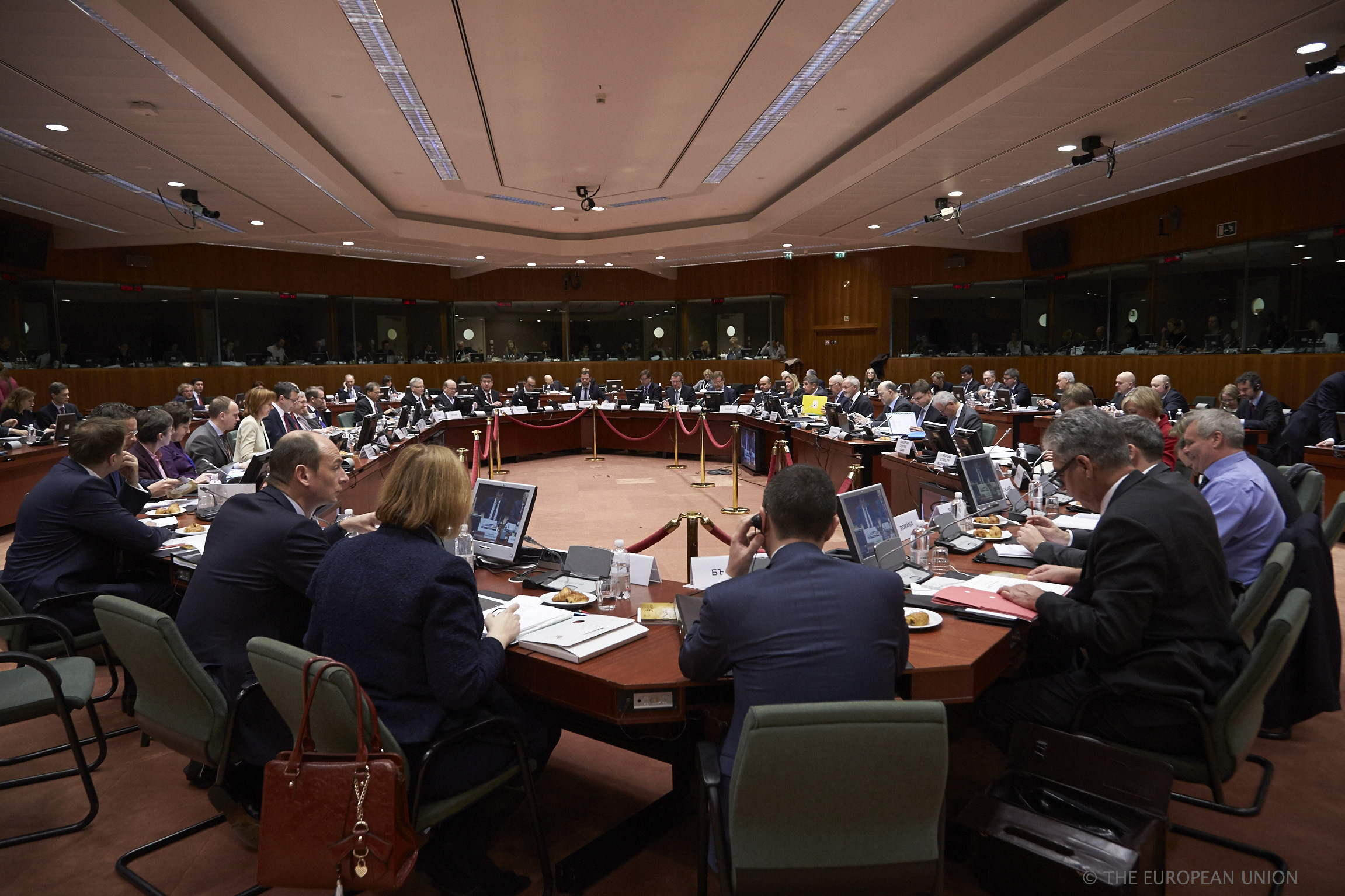
The Eurozone Finance Ministers are going to convene on Friday morning in Riga, Latvia, in order to discuss the “road map” that will allow the negotiations between the institutions and the Greek government to conclude as soon as possible.
Although the general sense is that the pace of the negotiations has picked up, there are still many differences between the two sides. European sources claim that Greece must “curb its demands” and abandon its “red lines”; Greek diplomatic sources on the other hand estimate that the IMF, primarily, is not being flexible regarding fiscal targets and the deregulation of the market, goods and labor.
Nevertheless, a senior Eurozone official reported that the goal in Riga is to agree upon a “road map” for Greece, so that by the next Eurogroup session (scheduled for the 11th of May) the “critical mass” of reforms will have been agreed upon so that Greece may receive the financial aid. A press conference with statements by Eurogroup chief Jeroen Dijsselbloem and Greek Finance Minister Yanis Varoufakis will follow the conclusion of the talks.
The meeting between Prime Minister Alexis Tsipras and Angela Merkel appears to have been positive, with a Greek official telling journalists that the two sides confirmed the progress of negotiations and were close to an agreement. Reports suggest an agreement for a 1.2% to 1.5% primary surplus has been agreed. The same sources claim that Greece has asked for the 20 February agreement to stand and that the bridge agreement it provides is signed by the end of April, while recognizing that the short-term liquidity problem that has emerged must be addressed.
Other sources however from the Eurogroup in Riga claimed that the creditors continued to pressure the Greek side for the implementation of critical reforms, such as increasing the VAT and abolishing exemptions, introducing cuts in the supplementary pension and to initiate talks on the pension system and labor relations.