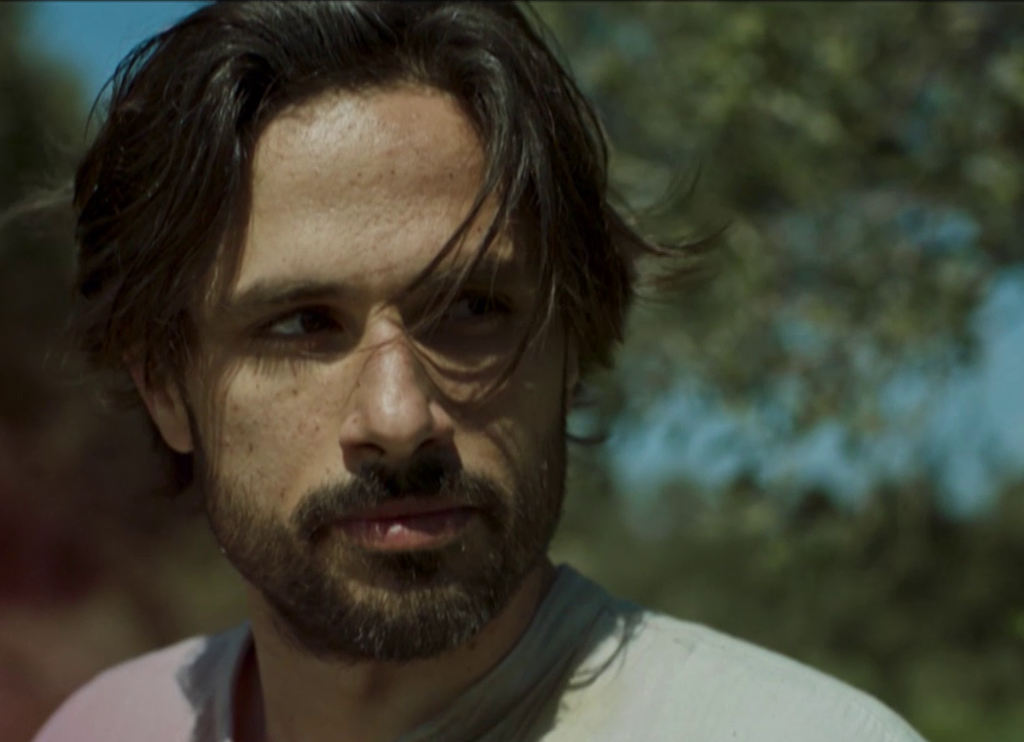
The president of SYRIZA Mr. Alexis Tsipras is more certain than ever these days.
The events of the past few weeks, especially the markets’ overreaction to the government’s attempt to prematurely exit the bailout and end the strict supervision may have troubled him due to the pressure they brought to the political system, but they strengthened his belief that the government is near its end, that its strength has diminished and that its negotiating ability is limited to a bear minimum.
According to Mr. Tsipras, Mr. Samaras and Mr. Venizelos cannot undertake the responsibility of the great negotiation for the debt, on the contrary, based on what he tells those around him, he believed that by trying to stay in power by all means, they are harming Greece, as they cannot put up any resistance or push forward any arguments in favor of the country and the people.
He also argues that abroad they are aware of their weakness and they are taking advantage of it to the greatest degree.
Additionally, he estimates that such a weak government cannot elect a new President and that is why he insists upon elections at the first possible instance, so that a new government with a fresh popular mandate may truly stand up against the foreigners and fight for a real solution to the debt and change the financial policy.
He personally believes that his party is ahead of New Democracy by 10 points in the polls and is in the position to form an independent government. Nothing then, he claims, will be able to overturn the course of events.
Furthermore, he passionately argues that the defeat and removal of the Samaras-Venizelos government will have a liberating and pressure-relieving effect on the Greek people and that this alone will create the conditions for a consensus; at that point the measures to tackle the humanitarian crisis will offer sufficient breathing space to the people, who in turn will tolerate and support his new government in order to face the pressure from abroad and the markets. He vehemently claims that the change of atmosphere from a SYRIZA victory will support and encourage growth. He also predicts that despite what is being said, the Europeans will not enforce any seclusion policies against a newly elected government. From his international contacts, particularly in Europe, he has concluded that SYRIZA is treated as a European power and is more likely to be integrated than rejected.
Also, he is trying to calm the suspicious and worrying middle and lower middle classes which fear that should SYRIZA come to power then chaos and anarchy would prevail, while those who oppose them will be persecuted. He characteristically claims that he is “no Nero”, that he will “not set fire to the city”, as such options do not agree with his character and beliefs and that all he wants is to work towards rebuilding the country, not further submerging it. Towards this he cites the recent discussion in Parliament, where he was calm and his opponents were tense and aggressive, despite being older. In general Mr. Tsipras believes that a new political environment will be established following the elections. According to him, a SYRIZA win will ensure the necessary social consent and election of a new President, allowing the opportunity of a rudimentary conciliation on a political level.
He claims that a SYRIZA win, along with the initiatives that he and his party will take, will upset the other political forces. He believes that New Democracy will break up, that Mr. Samaras will form a purely right-wing party, while those aligned with Karamanlis and Mitsotakis will focus on the center right. He estimates that SYRIZA will fill the gaps in the center and most of the Left, as he will fulfill the decades-old desires, affecting the entire political spectrum.
That is Mr. Tsipras’ version of the forthcoming events, more or less.
However, an independent observer is reserved.
The deficit is obvious. There is a lack of a substantiated and clear plan that will take into consideration the limitations posed by European conventions and the country’s commitments when it accepted the rescue plan to stay within the Eurozone. At SYRIZA there is a sense that everything can be managed politically. They underestimate the conventions and the duties that stem from them and they almost never discuss the limitations they pose on implementing financial policy in Greece.
That way, Mr. Tsipras is in danger of having his hand tied, without any degree of freedom in implementing a financial policy.
Those who are well aware of the limitations imposed by the country’s financial state argue that Mr. Tsipras will quickly realize how difficult it is to implement the promised people-friendly policies in conjunction with balancing the budget and maintaining high primary surpluses. That is where his party’s readiness will be tested, in acting under a state of limited resources and capabilities.
Antonis Karakousis
Originally published in the print edition