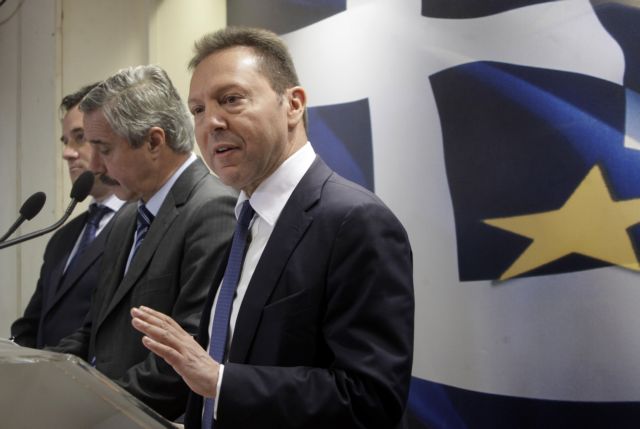
The Minister of Finances Yannis Stournaras announced on Christmas day that the measure of equating the tax on heating oil and diesel has been “successful”, after meeting the Ministers of the Environment Yannis Maniatis and Health Adonis Georgiadis to discuss the smog problem.
Mr. Stournaras chillingly explained that “we recognize the problem, but reducing the price is not a solution”, claiming that any price reduction would lead to fuel smuggling, abuse of the heating oil benefit “and in extreme cases, warming swimming pools”. The Health Minister Georgiadis dubbed the measure “totally successful” and added that everyone objecting to the measure is “playing the smugglers’ game”.
This announcement was completely unexpected, since the Deputy Minister of Finances Christos Staikouras and a group of 41 New Democracy MPs had recently expressed their opposition and reservations regarding the controversial measure, in light of the exacerbating humanitarian problem caused by high prices and cold weather.
One of the unfortunate side effects of the excessive price of heating oil is that people have turned to wood burners for heating, which have had a detrimental impact on the atmosphere. Despite this, the government is refusing to consider the possibility a tax reduction, while the troika has also refused the Greek demand to expand the heating oil benefit to include more groups of people.
The Ministry of Finances reported that revenue from oil taxes was 353 million euros less (5%) than initially expected, which it attributed to the heating oil reserves which were accumulated ahead of the announced tax hike, milder weather conditions and fuel smuggling. Mr. Stournaras explained that the tax hike was only responsible for 11.5% of the revenue shortfall.
The Minister of the Environment Yannis Maniatis reported that the smog problem could become even more of a problem and urged people to use “clean forms of energy”, even though the government has decided against any such incentives. He also claimed that the regional governors will decided when they will provide “free” electricity to those on the social tariffs.